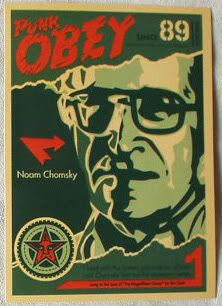
In the documentary Manufacturing Consent (1992), the notion of most media serving the wants of the leading 20% of society is poked at to further understand what Noam Chomsky calls the “propaganda model.” One visual technique that helped immensely was the cinematography playing out as thought processes. Around thirty minutes in when Chomsky is explaining what the “propaganda model” is, he explains it over a series of interviews with different people in one continuous audio track. Additionally, when he brings names and companies into the discussion, just as one recalls that one knows of the subject, it is brought up in a moving image form that shows one the physical buildings in which brands such as the New York Times and CBS operate from. The timing of these shots were crucial and well executed to reestablish the thoughts that a viewer may already have before watching this documentary regarding the media and how large it is. These image cues are extremely helpful by allowing instant identification of these large established companies and they assist viewers into believing the power that these institutions wield. Ironically, this documentary furthers the consent that the masses give to the media by depicting them as powerful corporations that “make the history.” Even though this film sheds some negative light on Chomsky, it still paints him as the intellectual of the 20th century.

No comments:
Post a Comment